23 November 2026
Master key system or separate keys: comparing access approaches
Presented by @keywiselivingdaily
Master key system or separate keys: comparing access approaches
When managing access for a building with multiple tenants, employees, or rooms, the choice between a master key system and separate keys can shape daily operations. Separate keys are straightforward: each lock has its own key, and no single key opens more than one lock. A master key system, on the other hand, uses a hierarchy of keys. One key can open several locks, while individual keys still work only on their assigned locks. Understanding how these two approaches differ helps property owners and managers pick a method that suits their needs.
Separate keys are the simplest access solution. Every door has a unique key, and only that key works in its lock. This setup works well for a single-family home, a small office with one exterior door, or a storage unit where only one person needs entry. The main advantage is low initial cost. There is no specialized hardware or planning required. If you lose a key, you replace just that one lock or rekey that cylinder. The system is easy to understand, and there is no risk of a master key falling into the wrong hands and compromising multiple doors.
However, separate keys become cumbersome as the number of locks grows. A property manager with twenty storage units would need to carry twenty keys. Handing out keys to maintenance staff, cleaners, or emergency responders means either giving them all twenty keys or restricting access to fewer doors. This can slow down response times and create logistical headaches. For a business with multiple employees who need access to different areas, separate keys often lead to a bulky key ring and confusion over who holds which key.
A master key system solves these problems by introducing a hierarchy. The system uses specially designed cylinders, often called commercial cylinders, that accept two or more different keys. The top-level key, the master key, opens all locks in the system. Below it, individual change keys open only their assigned lock. For example, in a small office building, the owner might carry a master key that opens the main entrance, each office door, and the supply closet. Each employee would have a change key that opens only their own office. A cleaning crew could receive a sub-master key that opens all office doors but not the supply closet or the main entrance.
The real strength of a master key system is its flexibility. You can design a hierarchy that matches your building's traffic patterns. A school might have a grand master key for the principal, a master key for each wing's teachers, and individual keys for classrooms and storage rooms. A warehouse might use a system where the floor manager has a master key for all work areas, while security personnel have keys that open exterior doors and the key cabinet but not individual workstations. This kind of granular control is impossible with separate keys.
Yet a master key system is not without trade-offs. The hardware costs more. Commercial cylinders designed for master keying are more expensive than standard locks. The planning phase requires a professional locksmith or access control specialist to map out the hierarchy and cut the keys. If the system is not designed carefully, you can end up with a master key that is too powerful or with change keys that accidentally open more than one lock due to a manufacturing tolerance issue called cross-keying. Cross-keying happens when a key operates a lock it was not intended for because the pin stacks align by chance. A well-designed system minimizes this risk, but it is a real concern.
Security is another consideration. If a master key is lost or stolen, every lock in the system is compromised. Rekeying a master key system is more involved than rekeying a single lock. It often requires replacing all the cylinders or at least re-pinning them to a new master key code. Some property owners address this by using a master key system only for low-security areas and maintaining separate high-security locks for sensitive locations like server rooms or cash storage. For many businesses, the convenience outweighs the risk, but it is a factor to weigh.
When does a master key system make the most sense? It shines in buildings where multiple people need different levels of access. Apartment complexes, office buildings, schools, hospitals, and warehouses are typical candidates. A landlord who manages several units can carry one master key instead of a ring full of separate keys. Maintenance staff can enter any unit without needing a key for each one. Emergency services can access the entire building quickly. If you find yourself needing to help securing a commercial entrance while also managing access to multiple interior doors, a master key system provides a streamlined solution.
Separate keys remain a good choice for simpler setups. A single-tenant office with one exterior door and a few interior locks may not benefit from the added complexity. A homeowner with a few doors rarely needs a master key. If the building has only a handful of locks and only one or two people need access, separate keys are cheaper and easier to maintain. There is no planning cost, no risk of cross-keying, and no single point of failure. If a key is lost, you rekey just that lock.
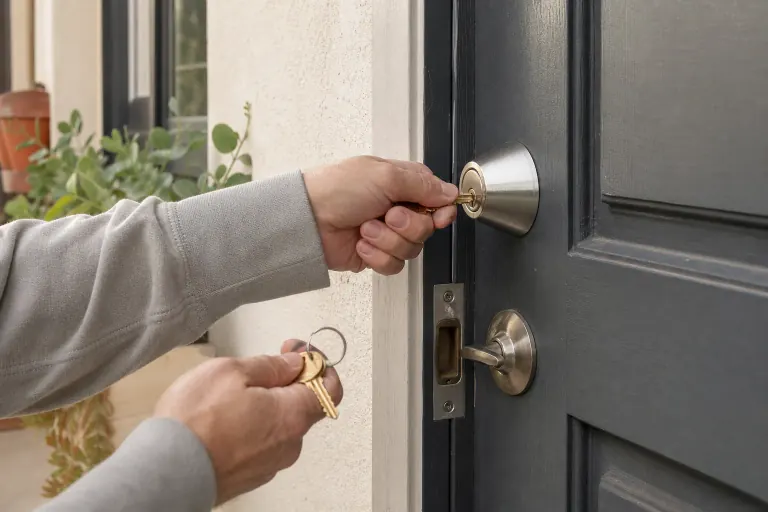
There is also a middle ground. Some buildings use a hybrid approach. They install a master key system on main access points, such as the front door, the stairwell doors, and the main hallway, while leaving individual office or apartment locks on separate keys. This gives the property manager access to common areas without granting entry to private spaces. Tenants keep their own keys and have full control over their unit. This approach balances convenience with privacy.
Another factor to consider is the type of door hardware. A master key system works with standard cylindrical locks, but it can also integrate with panic bars, door closers, and access control systems. For a storefront door that serves as a commercial entrance, the lock cylinder must be compatible with the master key system. Many modern panic bars accept interchangeable cores, which allow you to change the keying without removing the entire bar. This is useful if you need to rekey frequently, such as after a staff turnover.
Key management also differs between the two approaches. With separate keys, you can use a simple key cabinet to organize keys by door. With a master key system, you need a more organized approach. A key cabinet with labeled hooks for each key, plus a secure compartment for the master key, helps prevent unauthorized duplication. Some systems use restricted key blanks that can only be cut by authorized locksmiths, adding another layer of security.
For a business owner weighing these options, the decision often comes down to the number of doors and the number of people who need access. If you have more than five doors and more than three people who need different levels of access, a master key system usually pays off in reduced key clutter and faster operations. If your setup is smaller, separate keys are simpler and cheaper.
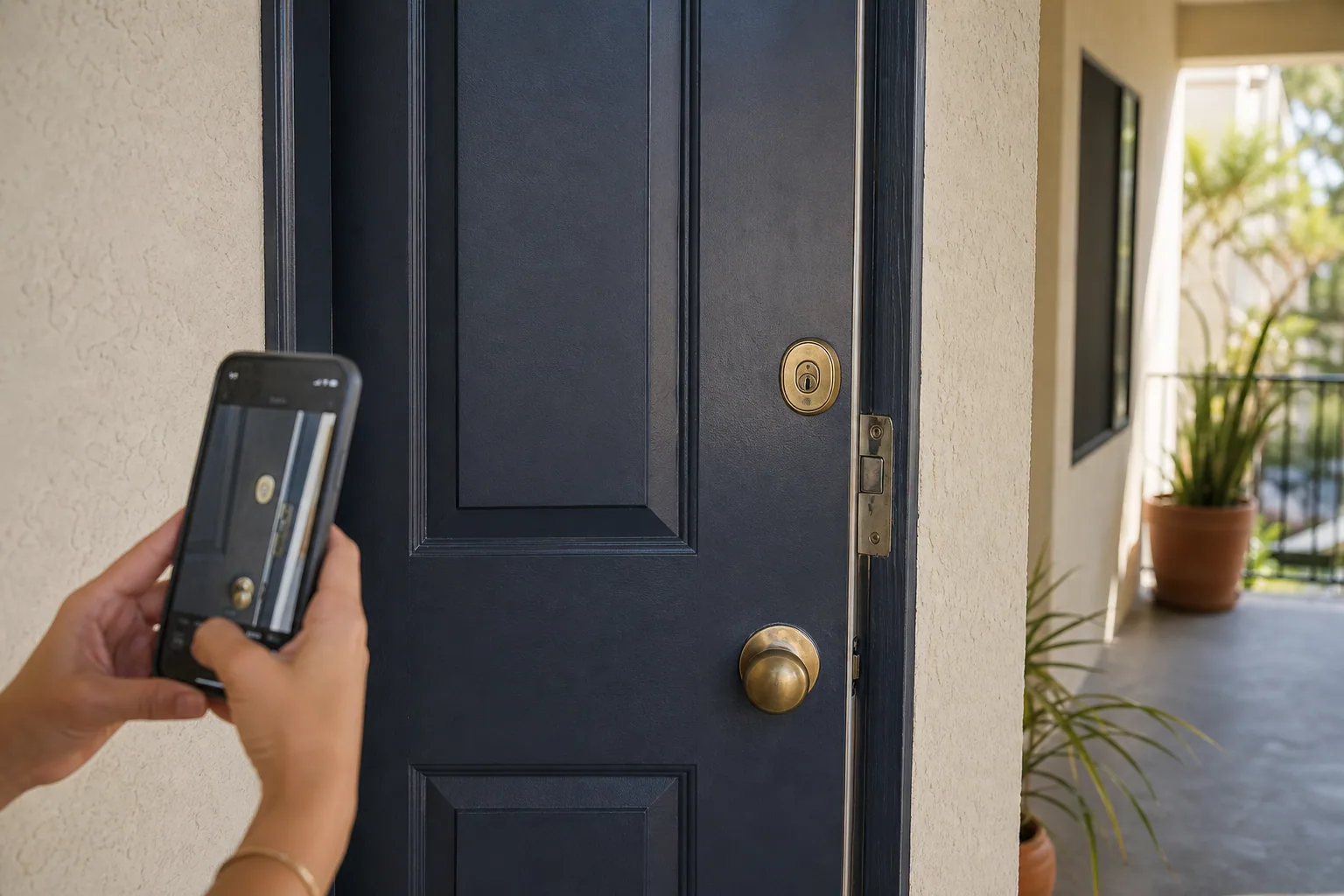
One more nuance: master key systems can be expanded later. If you add a new door, a locksmith can integrate it into the existing hierarchy. This is a big advantage for growing businesses. Separate keys require no planning for growth, but you will end up with more keys on the ring.
In the end, both approaches have their place. The right choice depends on your building's layout, your staff size, and your tolerance for complexity. If you need to help securing a commercial entrance and control access across multiple doors, a well-planned master key system offers convenience and control that separate keys cannot match. For smaller or simpler situations, separate keys keep things straightforward and cost-effective. Assessing your current and future needs will point you toward the best fit.